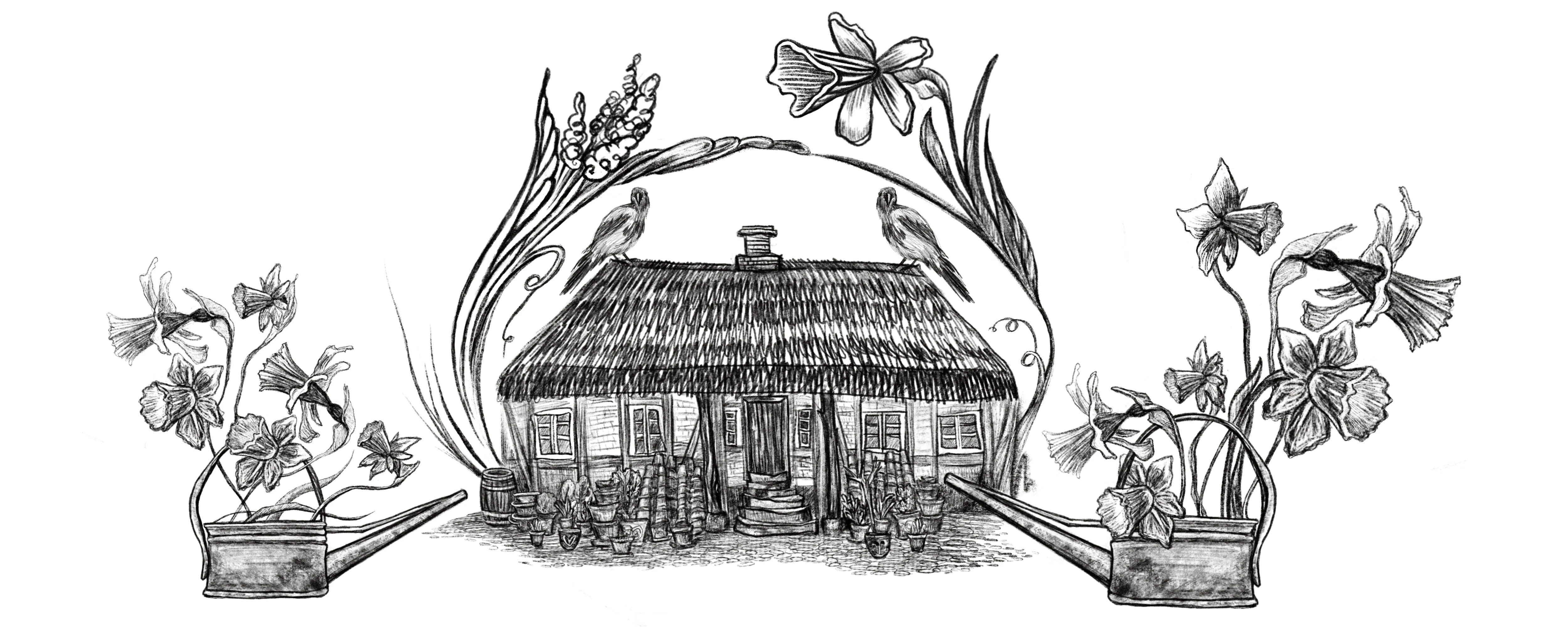
The Town Within Me. Den Gamle By
The Town Within Me. Den Gamle By
Mirror of Memory
Mirror of Memory
It seems I have dementia of the Danish language. Instead of forgetting my native language, I get confused by words I never knew. I'm not losing my memory, but my common sense, trying to master the grammar. I think with a delay, I speak with interference. Like an old television catching alien channels - everything hisses, but sometimes something meaningful slips through. That’s what learning a new language as an adult feels like: trying to tune a foreign frequency with hands trembling from nervousness.
After the move, memory became my main tool. A handrail on unfamiliar transport - rushing down strange routes, creaking with incomprehensible sounds, braking suddenly at stops with unfamiliar names.
Hold on — that name sounds familiar. Little blue forglemmigej (forget-me-not) flowers murmur through images and scents: “Do not forget.”
Our excursion led us to Den Gamle By (the old town), to the “room of memory.” Where a talk about dementia and Alzheimer’s awaited us. We were given a simple task - to draw a reflection in the mirror. But it turned out to be unexpectedly difficult. The images trembled, floated and distorted, as if I had looked into Den Glemte By (the forgotten town) where only fragments remain.
I didn’t catch every word, but I smiled at the fact that I could joke a little—even if not as before. It really upsets me that I can no longer joke freely and quickly. It's not easy to accept the new circumstances where familiar things, abilities, opportunities, and confidence - appear and disappear.
I don’t know if there are jokes about memory loss. Probably, they are forgotten.
Kærlighed og hoste kan ikke skjules
*Love, like a cough, cannot be hidden
Kærlighed og hoste kan ikke skjules *Love, like a cough, cannot be hidden
The buildings are connected by rotary dial phones. Do you remember those? You put your finger in the hole and turn. Pick up the receiver, listen to the long, crackling hum… In an instant, you’re catapulted into the past. The sound crunches like a sugar wafer.
Memory whispers, the heart listens. In the sounds — echoes of the past. In the smells — shadows of childhood. Each story finds a home — in a room with patterned wallpaper, and a woven rug that greets you like an old friend. And each of us carries a city inside. With attics full of memories, basements of feelings, kitchens clinking with dishes.
I walk along my inner map, guided by the hands of my own compass. I’m learning to be in a new world — to listen longer, look more closely, feel more deeply. Rediscovering my sensitivity, finding roots and branches. The past doesn’t leave — it keeps breathing beside me, intertwining with the present.
A tour guide would take you along the traces of time, but I turn left instead. There are garden beds, a fruit orchard, sun-warmed benches for listening to birds. And listen — children are repeating after the teacher in chorus. That’s how we learn Danish in our language school too. Our knowledge grows in curious, crooked sprouts. The teacher gently guides the shoots and pulls out the weed-mistakes that get in the way of growth.
Everyone in our class already knows about my bond with this fairytale place. I mention it so often, they probably think I work or live there — in one of the little houses, feeding chickens.
When I first saw this place through the botanical garden, I fell in love at first sight. Now this happy little corner is part of my world. When we arrived, it was still cold. The trees stood bare, like blank pages. Then warmth came, and in a blink everything bloomed and turned green. Summer brought long sunsets and bright nights.
Seasonality is not just the change of weather — it’s a reflection of life. It renews, takes on new forms. In this rhythm — I find something close to peace. In this quiet continuity — eternity.
Scents and Touch
Scents and Touch
In the carpenter’s cottage, old wood mingles with new. Fresh curls of shavings lie scattered on the floor. In the bakery — the sweet, warm aroma of pastries. In the blacksmith’s forge — the sharp, sour tang of metal. In the laundry — the familiar scent of detergent and ironed linen. In the bookshop — the smell of stories on paper. Out in the vegetable garden and orchard, I know each plant by name. I greet them like old friends — shaking hands with mint, lavender, and rosemary.
Most rooms are open, and sometimes, you’re allowed to truly touch things — press buttons, pick something up. Nostalgic details awaken the forgotten. The process of discovery is alive and ongoing. Children’s toys become a portal to a happy “once upon a time.” I was especially taken by the paper dolls — like the ones I used to cut out with mom. I even drew them extra dresses with folding tabs.
I dive into the time when my dad would turn on the red lamp in the bathroom — and the magic would begin… We developed photographs, moving the paper from one chemical bath to the next with tongs, until, on a white glossy sheet, the image slowly emerged like a ghost from memory.
Usually, vintage cars hide behind the garage’s glass walls, pretending: “We’re too valuable to go for a ride.” But once — we got lucky! We sat inside a hundred-year-old Ford with wooden wheels. And the driver, wearing a cap, started up the time machine — for just twenty kroner — and took us for a spin!
We’re probably the last generation to have listened to music on every kind of medium. You could slow down a vinyl record with your finger — and the singer would turn into a snail. Cassettes? You rewound them with a pencil (if you know what that means — we be of one blood). The rainbow shimmer of a CD… Now everything lives inside a phone.
In the electronics shop: rows of televisions — black-and-white, color, bulging with glass. And tell me — were you the remote control when you were a kid?

The Vanishing Tangible Past
The Vanishing Tangible Past
Phones have stopped ringing. Rotary, push-button, corded, cordless, mobile — all falling silent. Mailboxes are disappearing too. Back in ’24, a postman still worked here, and a real red letterbox stood proudly on the street. I managed to send a few postcards to friends, sealing them with a stamp bearing the new king. I chose one with a Greenlandic boy — he reminded me of a northern Sámi child. My compass always points north.
As of ’25, the mailboxes are being removed. All because we’ve nearly stopped writing real letters and sending postcards. Since the year 2000, the volume of mail has dropped by 90%. Letters turned into pixels. Postcards replaced by emojis. Greetings vanish without a trace, and the scent of ink is now a stranger to most.
Eras fade away. What remains are books, vinyl records, little candy tins, spools of thread, dishes, jewelry, coat hangers with dresses, shelves of shoes, photo albums. But who are all these people?
We get lost in the maze of houses. Each time discovering something new: a secret attic, a workshop basement, a staircase into childhood. The sensations overflow — I feel a particular kind of tiredness — the museum kind, after a long walk through memories.
I step outside. Little islands of natural solitude are scattered everywhere. We’ve probably sat on every bench and tree stump by now. The world keeps changing — but the habit of seeking hidden corners remains.

The Window of Memories
The Window of Memories
Little windows with curtains — like miniature picture frames. Inside them: simple still lifes and everyday scenes. On the windowsill, an old-fashioned geranium, and next to it — an aloe sprawling like a small dinosaur. A fire crackles in the stove. We taste a spoonful of spiced porridge and warm æbleskiver. By the window, a young woman in a headscarf and long dress — as if she stepped out of an Anna Ancher painting — washes plates painted in blue. Everything around feels alive and painterly: warm light, muted colors, the unhurried rhythm of the moment.
Windows with thick, uneven glass bend the reflections. Waves and bubbles make the space shimmer and dance in the light. It all flows, like in tear-filled eyes. In this blur, the presence of the past flickers. It comes alive in humble things: rugs, embroidered curtains and tablecloths, an enamel jug, a lacquered wooden cupboard. Each like a detail from one great canvas.
We look into mirrors with gilded frames — the silvering has worn away, and the reflection appears as if filtered through time. A narrow beam of sunlight cuts through the room, evoking a Hammershøi painting — restrained, filled with silence and calm.
The old houses feel like a grandmother’s summer cottage. Low ceiling. Morning light. A table with an upside-down sewing machine. The first rays of sun. A snow-white crocheted tablecloth. And in the vase: lilies of the valley, tulips, lilacs, peonies, daisies, lilies… depending on the season. It’s been years since I left, but I keep these images in the jewelry box of memory — like treasures.
The Christmas ornament shop is open all year round. There, curious decorations await — glass cucumbers and other oddities of the season, each one a delicate reminder of how fragile time can be.
Here, it’s not only possible to see historical objects — but to touch them, to feel their weight and meaning through shape, color, texture. In a gentle touch, like a reflection, a memory is born — and with it, a quiet certainty: that what is important and precious continues to live within.
Garden
Garden
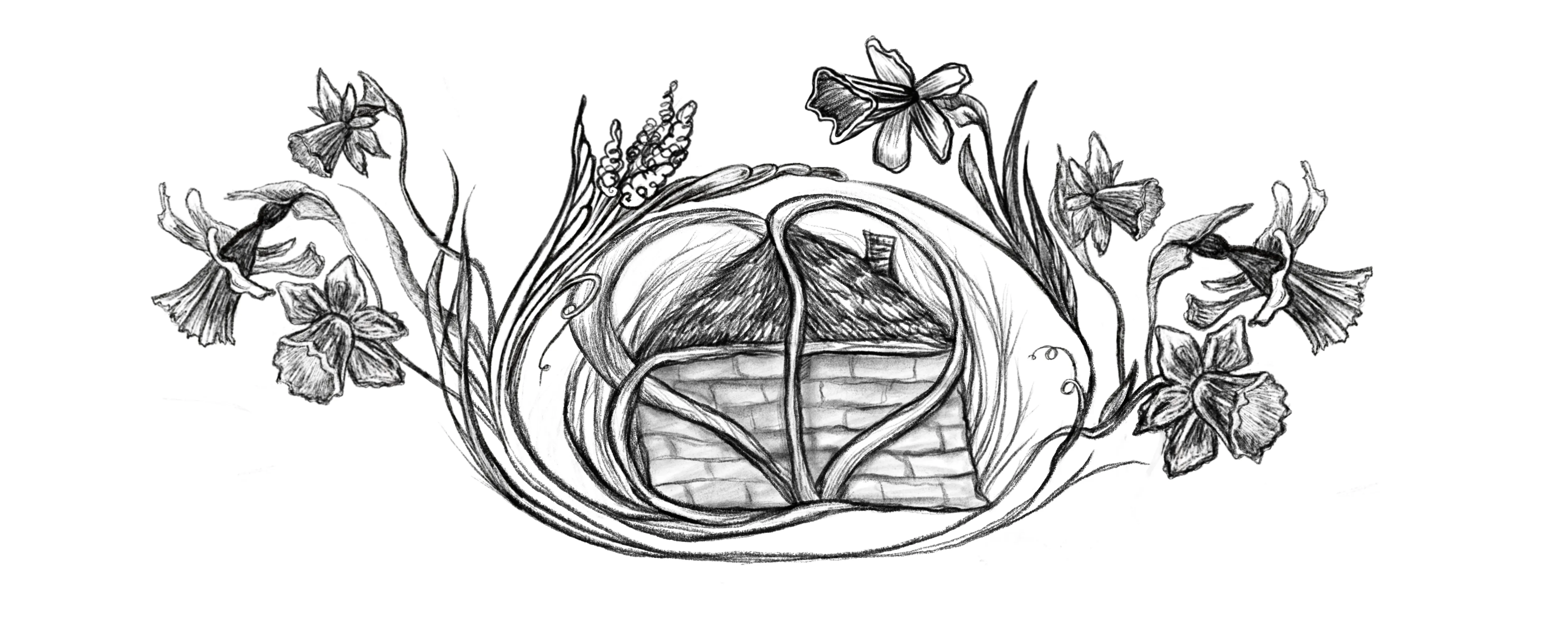
Though the museum is called The Old Town, it feels more like a village — warm, quiet, familiar. A natural oasis in the heart of the city. It seems I know every blade of grass.
Take “Hjerlegres” Briza media, for example — I don’t know its uses, but it heals me aesthetically. Beauty is my remedy. Mint and currants — the scent of summer tea. Rhubarb — for pies and juice. Plantain — nature’s bandage for cuts and scrapes. From the sour leaves of sorrel, we used to make spring soup. Horseradish leaves — for pickling cucumbers; its roots, for sharp seasoning. In every seed, root, and leaf — a stage of life’s unfolding.
I pick a juicy pear off the ground. Around the corner, there’s a water spout - I wash it right there and eat it, leaving only the stem.
I notice a tree grown into a brick bridge - as if it chose to stay forever. I’d like to grow into a place like that too. To become part of the landscape.
My happy place Den Gamle By - is a return to nature. The museum lives through geese and horses, through people who bake bread, grow flowers, care for houses and cobbled streets. In early spring, I watched the bees waking up.
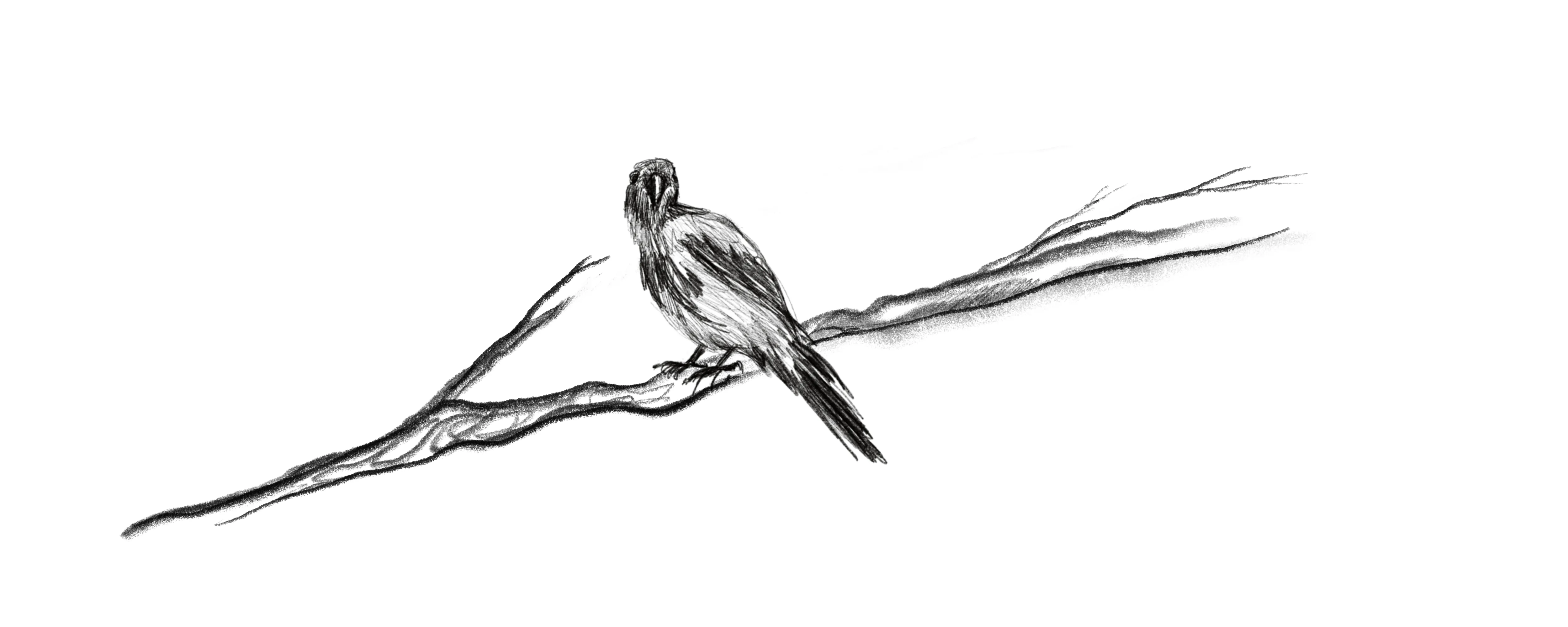
The geese glide toward me: “Give us a roll!” One white, with sky-blue eyes. The other, gray with deep brown ones. But I had promised to share with another guest - a black jackdaw with a piercing gaze. She keeps watch by the bridge, near the shop of antique top hats. If a raven were a fairytale character, he’d wear a top hat and the surname Andersen.
Shadows sway across the wall, leaves casting whimsical silhouettes, like paper dolls cut with tiny scissors.
Come, I’ll show you my footpaths. We sit beneath a tree like in a green tent, listening to the murmur of the watermill. All around us: living scenery. Ducks waddle over and nibble cookie crumbs right from our fingers!
Between the streets and houses of the old town lie countless stories. Now, some of them are mine. I gather bouquets of impressions, weaving them into a colorful crown — a nest of life.
The Town Inside and Out
The Town Inside and Out
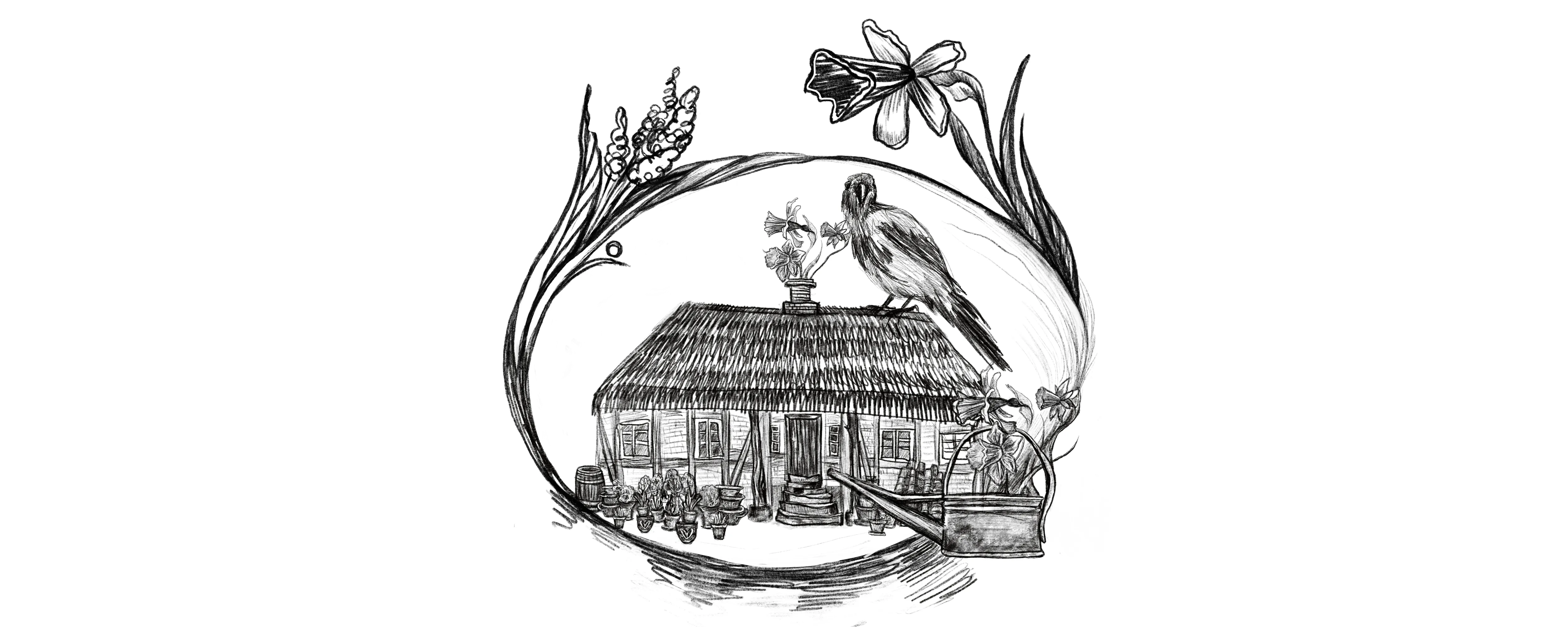
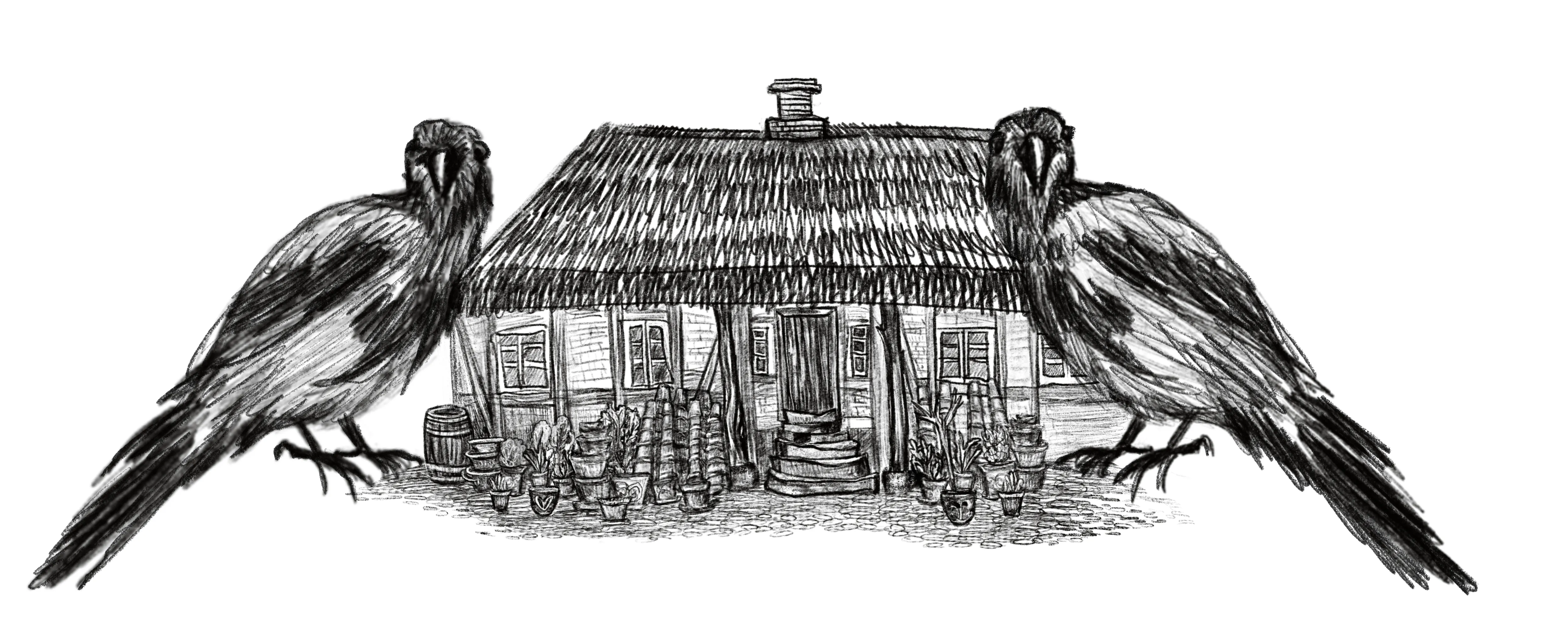
Den Gamle By is a town hidden like a matryoshka doll inside a larger one. From the outside, it looks like a toy village. But as you step closer, you find something far more genuine than it seems at a distance.
We’ve tried every kind of pastry at the bakery — including the caraway pretzel “kommenkringle”. It deserves some extra attention: on the display, it’s the palest one, not browned, and caraway isn’t as popular as sugar or cinnamon. But is the gilded symbol above the door.
The museum is a living organism. In the workshops, hammers ring out. On the streets, you can meet people dressed as if from a hundred years ago. These people — the ones who make the museum come alive - are its true keepers: staff, artisans, volunteers, and visitors.
Every visit is a journey through different layers of time. Again and again, we come to know Aarhus and Denmark through details. Here, history isn’t just shown — it’s lived: petting a horse, riding in a carriage, drawing water from a street pump.
Beyond the bright, open-air part of the museum, there is another city - hidden, secret, underground. It feels like a stratum of deep collective memory, where objects give way to emotions - things you can’t touch, but that touch you.
A descent below. A portal into a town with no rain, no sun — only the deep breath of time. In the underground, exhibitions tell stories both ancient and recent. Here, there are no roles played — the message is direct. About faith, freedom, humanity. About life during war, and the empty streets of the quarantine years. This town is not dressed up or polished — but honest. What happens in the world becomes both shared and personal experience.
The two spaces form a whole, complementing each other like day and night, like inhale and exhale. There are no borders between reality and memory, between observing and taking part.
The clocks have stopped. There is no time. No dates.
Light and Time
Light and Time
In the old, old town, we sang old, old songs: “Højt fra træets grønne top.” It was so simple and so good. In the darkness, the Christmas tree lights came to life, reflected in the windows and in our eyes.
Light changes the scenery like a spotlight on stage. Now, the streetlamp on the corner becomes the main character. It casts shadows, glints at sharp angles. In dark times, candles were a luxury. In a large, wealthy house, the candles were kept locked in a box. A dozen per year — for the fortunate. Down in the lower part of town, the winter darkness feels very real.
The romance of darkness retreats for a while. How lucky we are - to return home, turn on the light, warm the stove in an instant, boil water for tea, step into a hot shower. To live now. In this moment of time. To feel at home - in place and in self.
The water has frozen. The boat has been stored away for the winter. When it snows, I always feel at home. But for many of the new acquaintances it was the first snow in their lives. We have two annual museum passes — and we can bring guests! And we do, joyfully — inviting new friends from all over the world. Sometimes, we speak the language of glances and smiles — the truest and most important kind of conversation.
When we first arrived, everything I had known seemed to fall apart like a scattered puzzle. The world had lost all familiar outlines. Here, I slowly rebuild my connection to myself. The past and the present come alive — smiling at each other. This place became a mirror, a garden, a textbook, a workshop, a fairy tale, a summer house.
It turns out that some of the most important things from the past weren’t carried in suitcases — but in memories.
Watercolor Memory
Watercolor Memory
At Christmas, we received a touching gift - a watercolor of a frosty day. From the flat surface of paper, houses rise up, birds take flight, and the air feels moist with fresh cold. Water shimmers, and the bare branches of trees seem alive, fading gently into mist. And there - our silhouettes. Every brushstroke whispers: we are here. We are part of this place.
If memories could be painted, they might be watercolor on wet paper — transparent, flowing, slightly blurred.
The glass in the frame reflects our own faces - watching ourselves from the outside, in this watercolor world where memory and reality are blended together.
Someday, I’ll be able to tell all this in Danish. But already I know: Den Gamle By is not a picture from a tourist brochure. It is inside me. A place where stories live — and new ones are always being born.
Every return feels like turning the pages of a beloved book. A book filled with light and shadow, scents and sounds, childhood memories and adult discoveries. Friendship, joy, and tears.
There is always a new chapter in this book. And I will be waiting for it.